




In the 2024 Anholt Nation Brands Index, used by the Scottish Government to measure Scotland's international reputation, Scotland ranks 12th out of 50 for tourism, but just 22nd for exports: how the world perceives Scottish products, innovation and creativity. That gap isn't new and has been remarkably consistent since the index began tracking Scotland in 2008.
Perhaps that persistent gap tells us something.Scotland has become very good at making the world want to come to Scotland but is the greater commercial opportunity making the world want Scottish?
It's not that Scotland lacked commercial brand equity. Whisky, golf and country pursuits have built formidable global reputations over generations but they have traditionally presented a rather masculine face of Scotland. Even our famously loyal football supporters have spent half a century travelling the world as the 'Tartan Army'. Is Brand Scotland now exploring a softer more feminine side, and if so, could that same brand equity travel more naturally across a broader range of lifestyle categories?
What feels different to me now is the confidence and breadth with which Scottish-ness itself is being expressed. Businesses today are taking the raw ingredients of Scottish identity and finding bold, contemporary ways to reinterpret them.
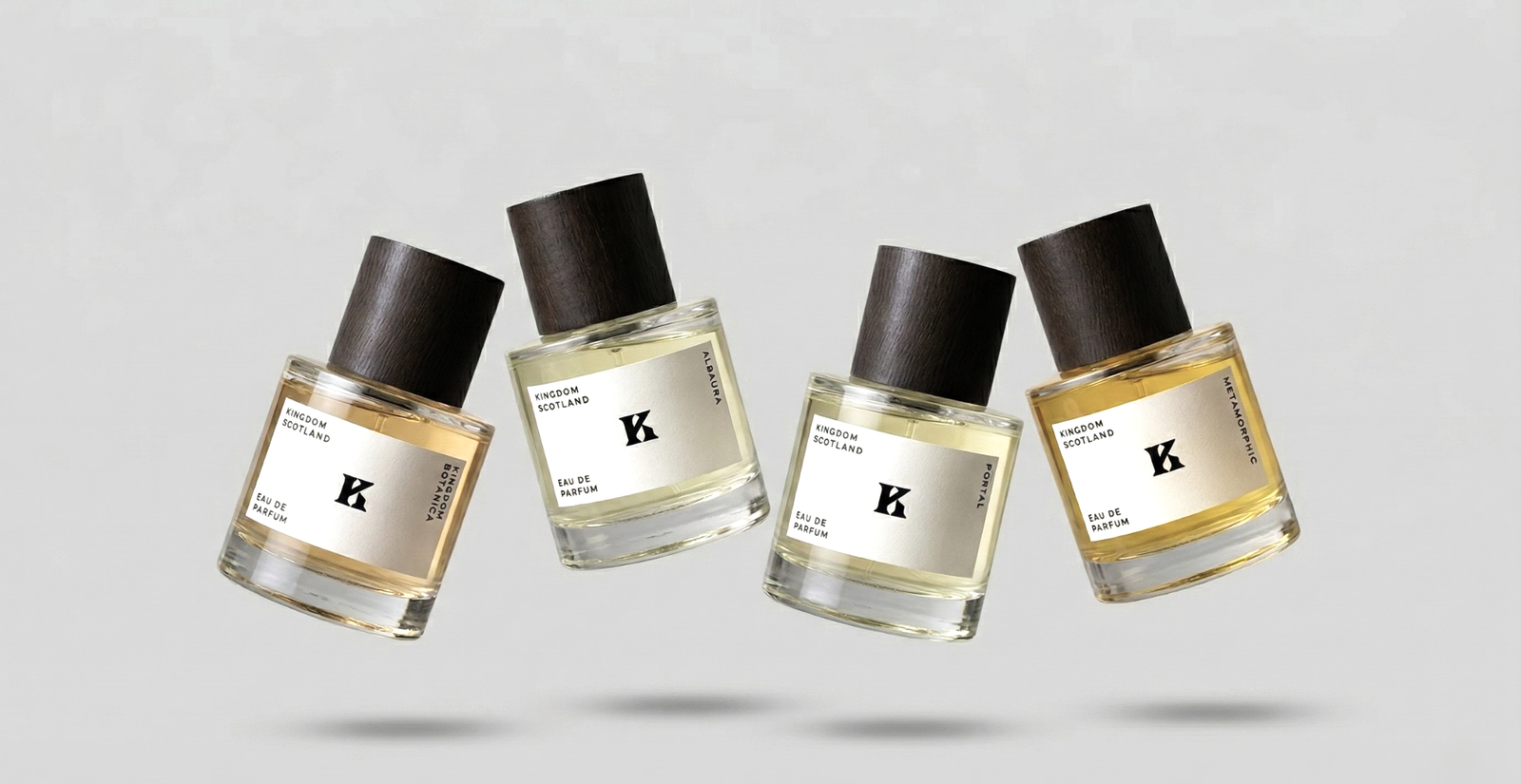
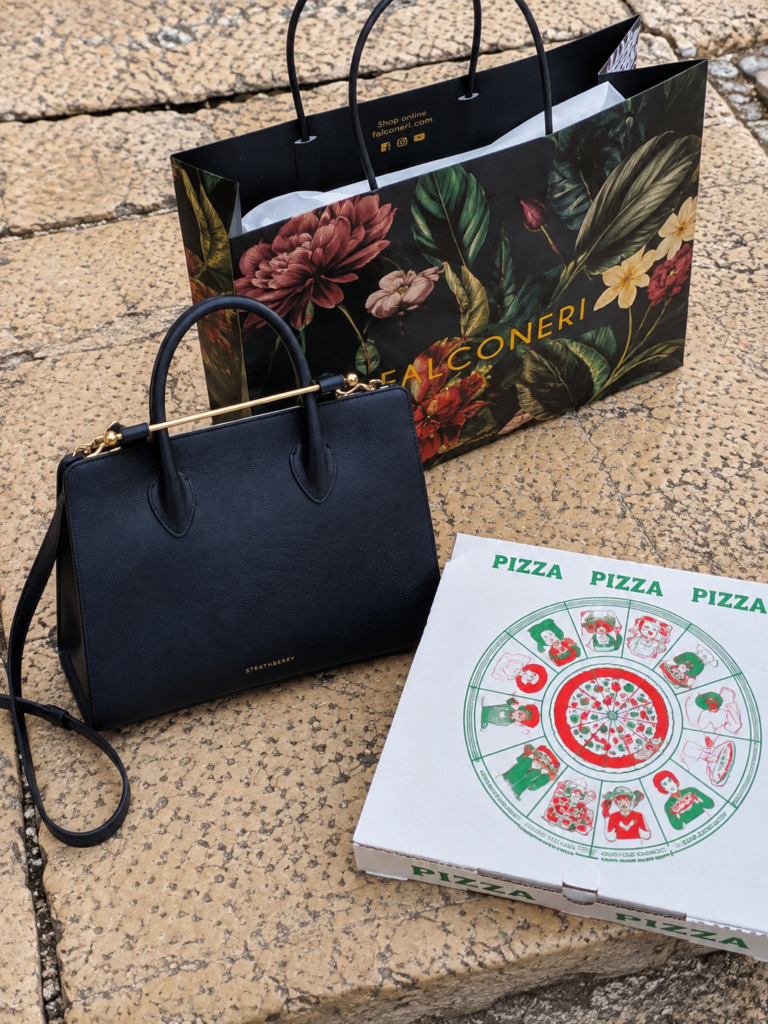
Rugged landscape is emerging in luxury fragrance and beauty products through brands like Kingdom Scotland and Ishga. Centuries of craftsmanship are finding new expression too: Mackintosh recently collaborated with Victoria Beckham on a collection made in Scotland and photographed at Barnbougle Castle, while Edinburgh-founded Strathberry has grown into an international luxury brand, securing new investment to accelerate its global expansion.

The shift is visible in hospitality too. Ardbeg House was recently named The Times and Sunday Times Hotel of the Year, while the two-Michelin-Key Gleneagles Townhouse was named Time Out's Best Hotel in the UK. Cromlix, owned by Kim Sears and Andy Murray, now holds two Michelin Keys and is an example of a Scottish country-house hotel turning heritage, food, design and, in this case, tennis into a contemporary luxury experience. Food feels more ambitious, design more considered, and increasingly Scotland's hotels allow the landscape outside the window to be spectacular without using it as an excuse for what's happening inside.
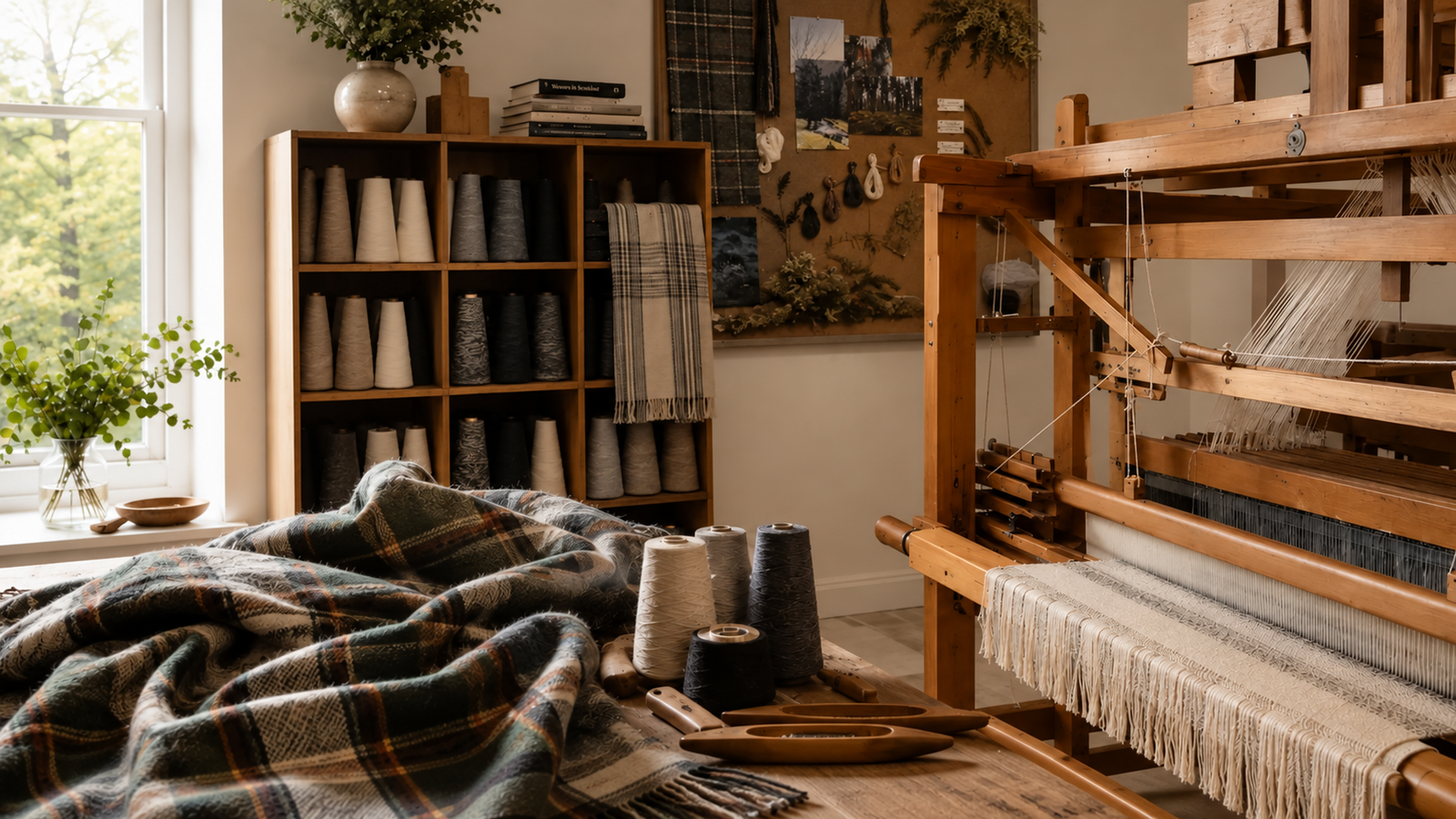
The raw ingredients haven't really changed. Landscape, provenance, craftsmanship, history and a powerful sense of place have always been here. What's changing is the way they're being packaged, positioned and experienced.
Social media of course has played a part too. A Highland hotel isn’t being visually compared only with the hotel down the road, but with properties in Tuscany, Paris, Copenhagen and the Dolomites. We can see what everyone else is doing, and more importantly they can see us. Comparison may be the thief of joy, but it can also be a fairly effective catalyst for upping your game.
I suspect another shift is underway too. Scottish businesses increasingly understand that value isn't purely functional. Provenance and emotion can be part of the value proposition too. But that deserves a Made in Scotland article of its own, where I explore 'the value paradox'.
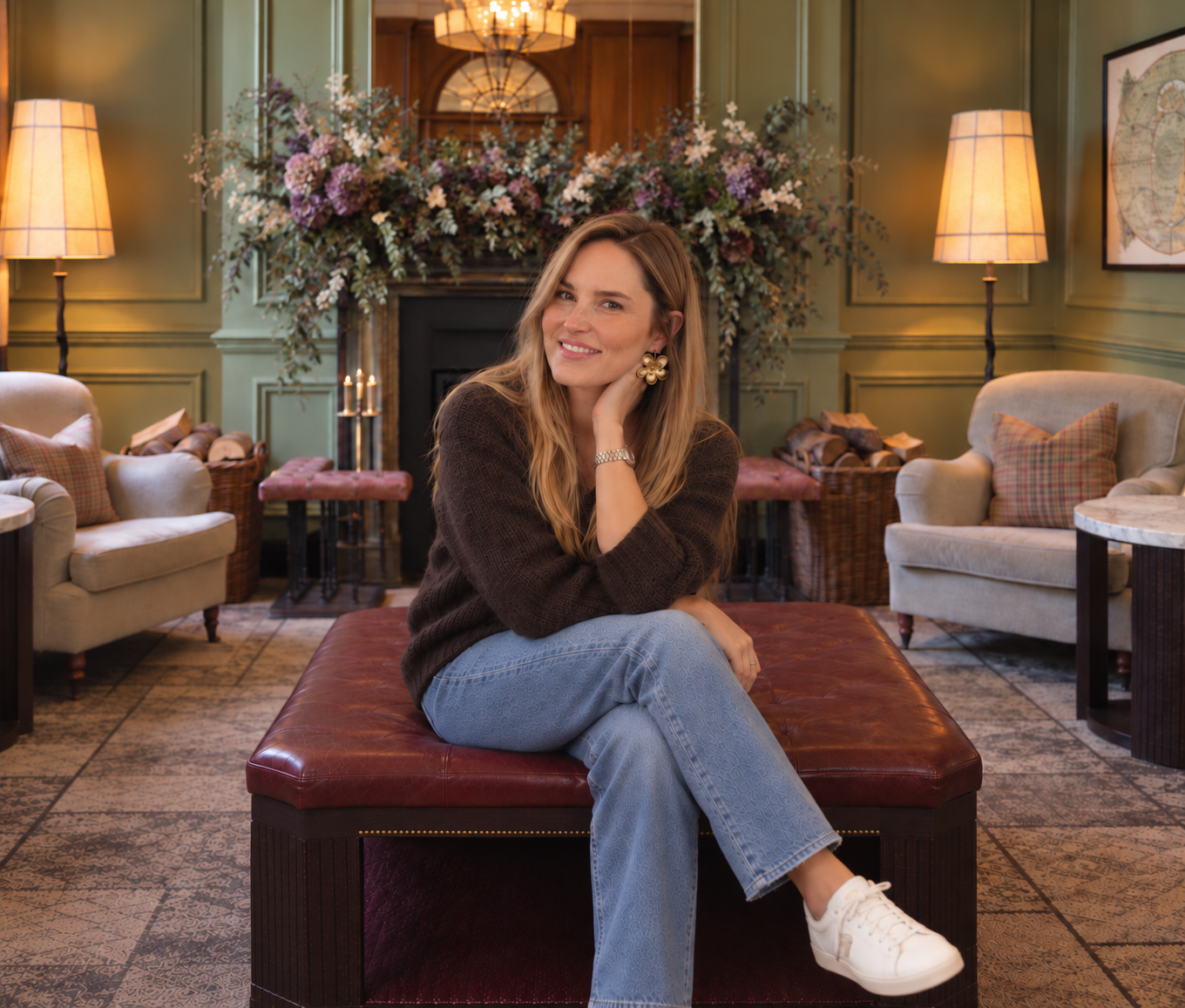
Whatever is driving the shift, this broader expression of Scottish-ness is certainly having an impact on me. I still love Brand Italy and France, but increasingly the things I covet, from a weekend at The Torridon to the latest Kiltane collection, are much closer to home. Crucially, none of it feels like buying a souvenir of Scotland. It feels contemporary, desirable and capable of competing for attention on the world stage. For the first time, I feel like I'm participating in a Scottish lifestyle, and that lifestyle feels aspirational.
Is Scotland turning one of the world's most recognisable national identities into one of the world's most desirable modern lifestyles or are my tastes simply changing?Italy sells Italian-ness. France sells French-ness.
Scotland has spent decades selling Scotland.Perhaps the next commercial opportunity is mastering how to sell Scottish-ness.
Which makes a refreshing change from selling, well… Loch ness. And if the Summer World cup is anything to go by, it certainly seems to be where the party is.